

How to read trail markers
A splotch of paint might be the most important thing standing between you and returning to the trailhead.
You may notice bright-colored markers along your next hike. They aren’t random or an act of vandalism. These symbols or painted patches are called trail blazes. It’s a good idea to identify your blaze once you start the trail, as they can often overlap.
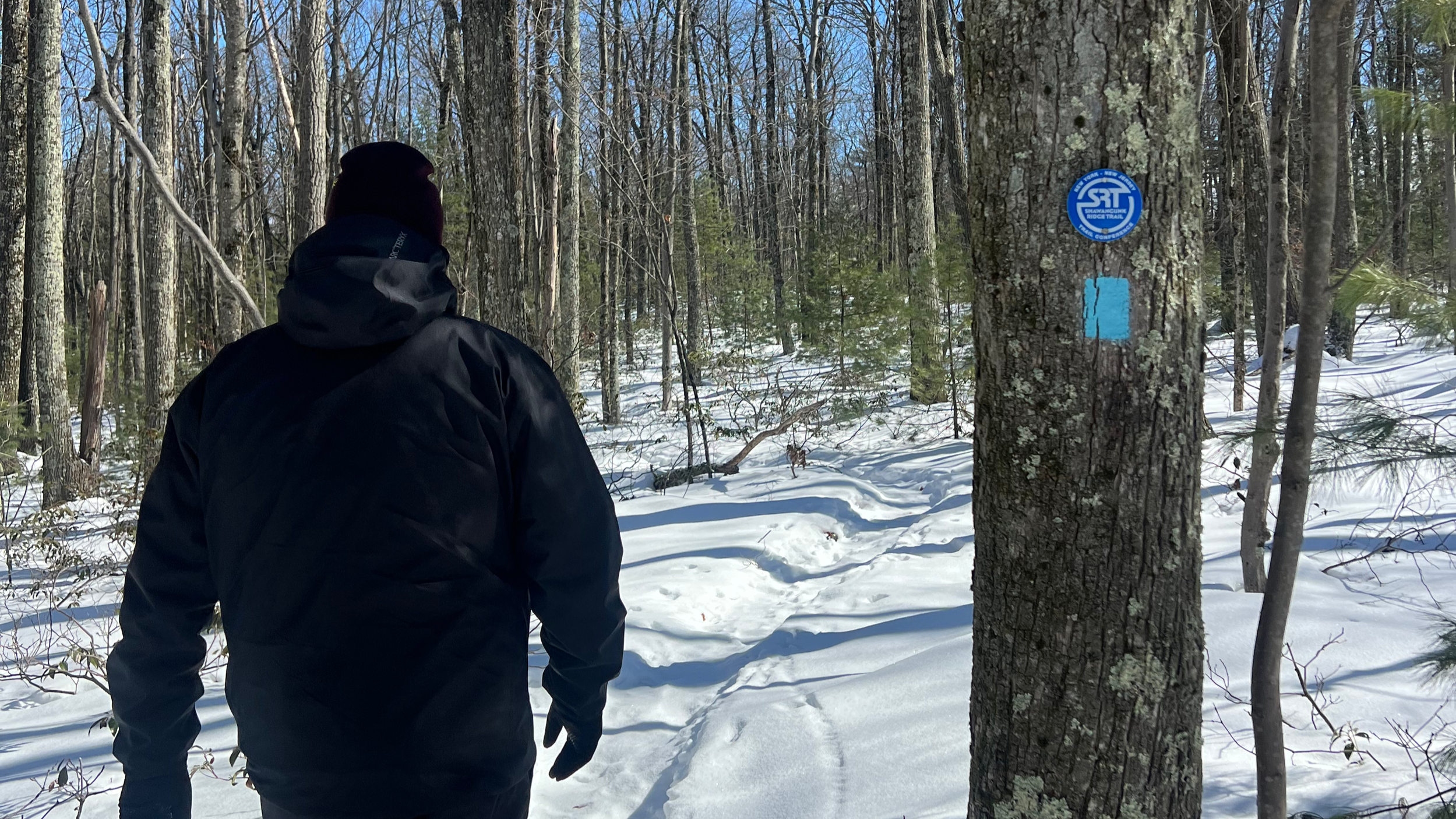
Why trail blazes matter for navigation
Blazes are your lifeline on the trail, especially when terrain gets tricky or foliage closes in around the path. You should always notice these markers at eye level, and you should be able to spot the next marketing denoting where the trail leads.
Types of trail blazes and what they mean
Blazes are typically painted on trees, rocks, or posts and come in different shapes, colors, and sizes, depending on the location and type of trail. I love to collect pictures of different blazes, as the Northeast has an abundance of fun markers with its large thru-trail presence. Here are some more common types you’ll see:
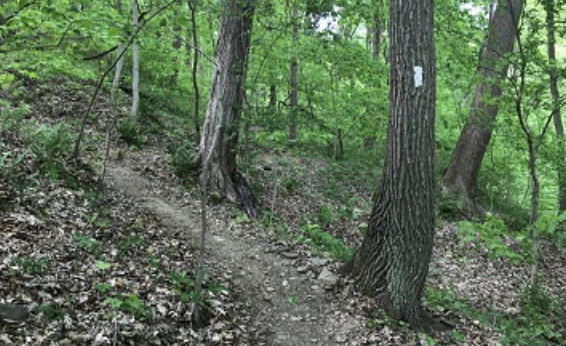
Standard blaze
The most common blaze is a white stripe, but they can be many different colors. Identify your blaze early on in case you find yourself off path.
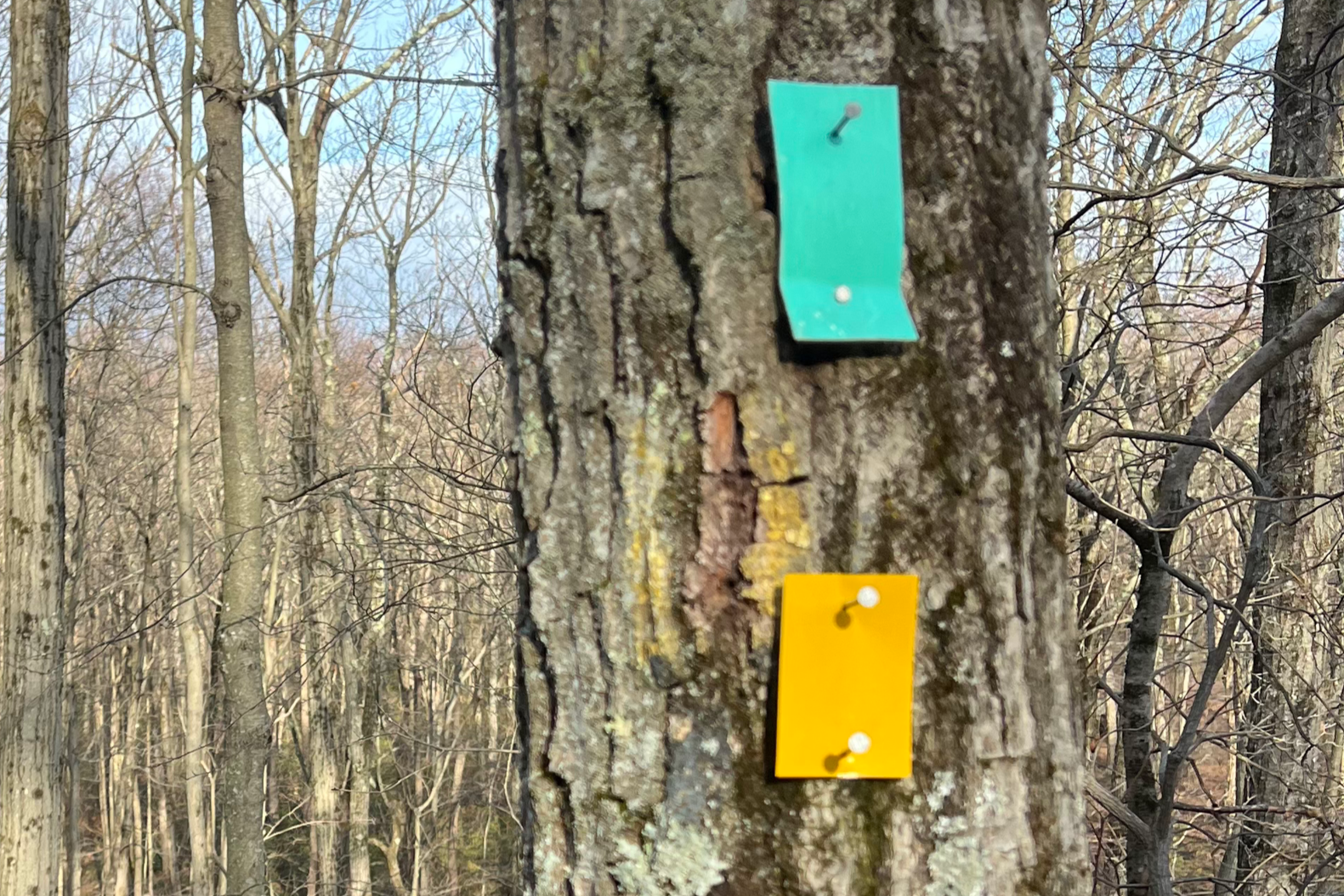
Colored blazes
Meant to differentiate side trails and difficulty levels within a multi trail system.
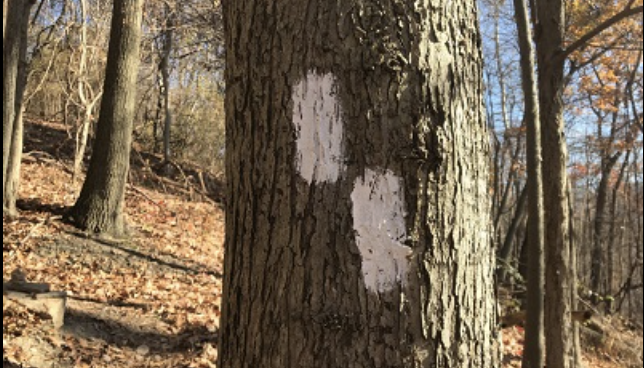
Double blazes
Lets you know that the trail is turning left or right. The upper blaze will tell you which direction to head in.
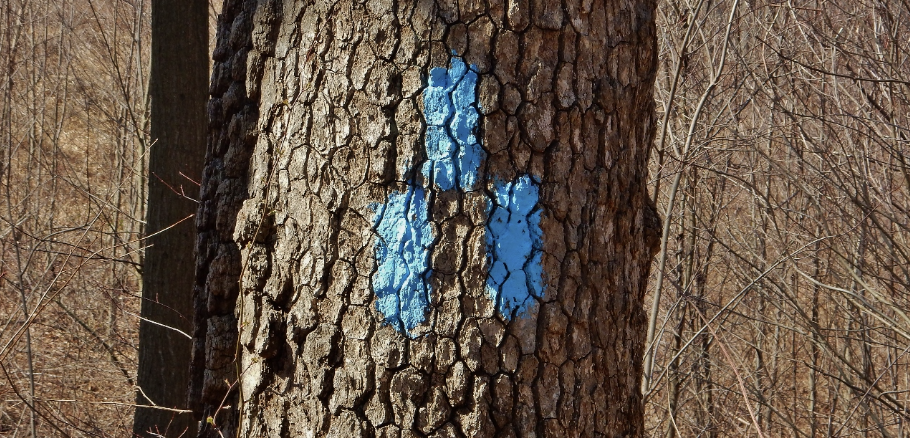
Triple blazes
Marks the beginning or end of a trail
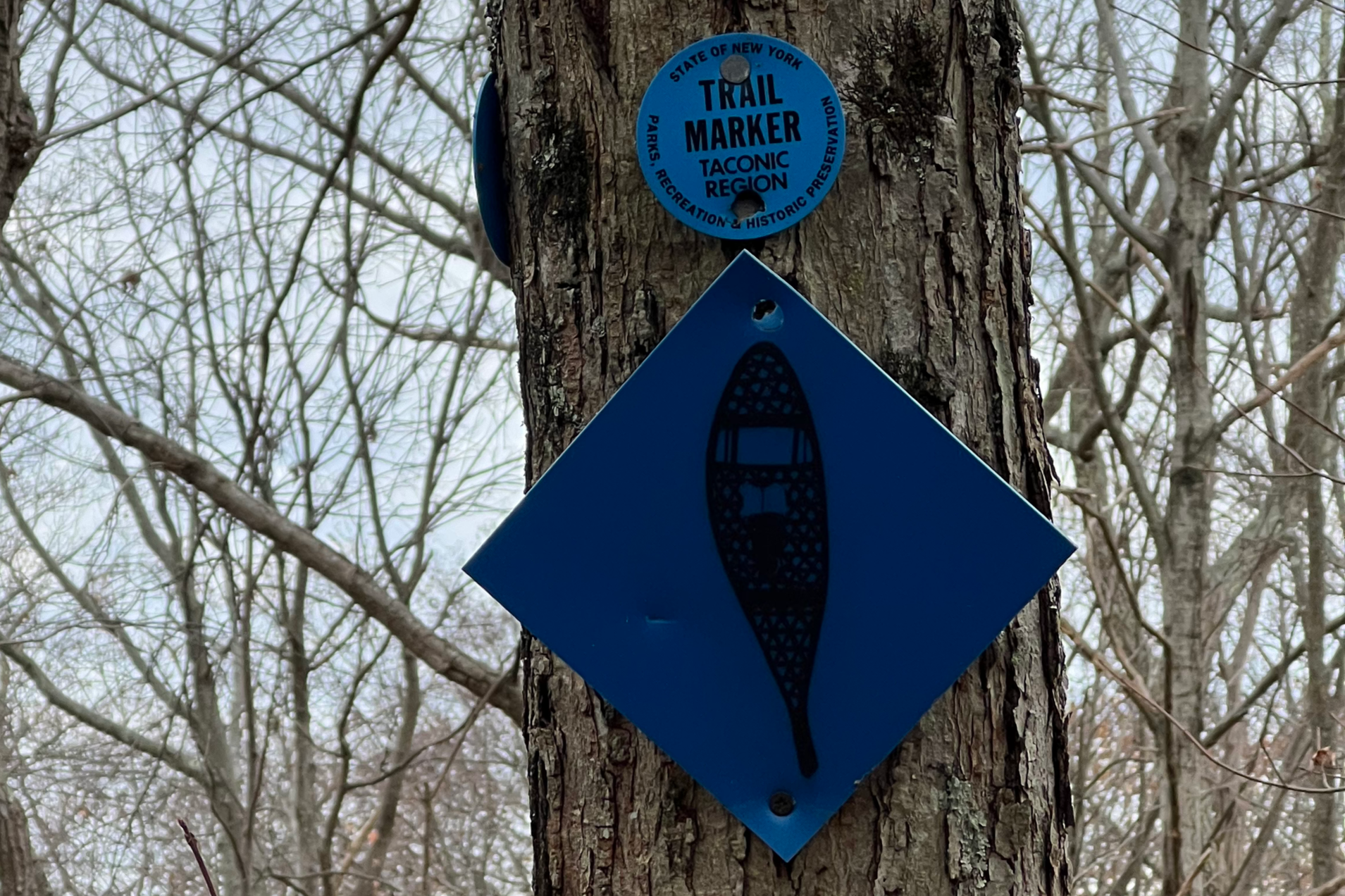
Diamond, triangular, or symbol markers
Typically meant to differentiate between user groups, denote a wilderness area, or a national park. For example, a bear paw might be used in bear country and a diamond often marks a mountain biking trail.
Conclusion
It’s important to remember that blazes are maintained by real people. So it’s good to keep a second form of navigation handy in smaller park systems that may not get consistent upkeep. Happy exploring. Remember to pick your head up and your eyes on the trees.